

Own Your Network
In part two of the Own It/High Performance Living series, Justin dives into one of the eight pillars: networking. You can find out more about Justin and Own It at justownit.co. If you missed part one, you can read that here.
Own Your Network - by Justin Roethlingshoefer
My career in hockey and as a strength and conditioning coach taught me that nothing is attainable on your own. So many of my professional opportunities came from my connection with people from various backgrounds.
I developed the Hockey Summit, which brought together players and coaches alike for a few weeks in the summer. Through that, I gained credibility as a professional, which, along with speaking opportunities provided further exposure. I then branched out further by teaming up with Devan McConnell to write Intent: A Practical Approach to Applied Sports Science for Athletic Development. I credit all this for my hiring by the Anaheim Ducks organization to be the head strength and conditioning coach of their minor league team, the San Diego Gulls.

What I had been doing all my life since I was a teen was networking although I didn't even know the term back then. By reaching out and getting to know so many different people in my journey as a player and then as a strength coach, I made a lot of connections.
At its essence, a network consists of those people you spend the most time around. While we think of it as work-related, that's only one kind of network. Maybe you're a peewee coach. Now you have a network of other coaches and the parents of your players. Later when they get older, some of those players might become part of one of your networks as an adult. Perhaps you volunteer with a charity and are offered a seat on the board. Now you have the leadership of that organization as a network, and whoever else it enables you to meet. Networks take on many faces.
Networking is about building long-term relationships and developing a good reputation over time. It involves meeting and getting to know people who you can assist, and who can potentially help you in return. When you try to enter a network with the attitude of “what can I get out of this,” you'll find yourself on the outside looking in. It's about forming trust and helping one another achieve their goals.
You have to approach networking from the viewpoint of “How can I be of service?”
By regularly engaging with your contacts and finding opportunities to assist them, you help to strengthen the relationship. By doing this, you set the stage for members of your network stepping forward when you need help to achieve your goals. Much of this happens by simply sharing stories, lessons, and experiences. Any network you belong to can be an excellent source of new perspectives and ideas to help you in your role. Exchanging information regarding challenges, experiences, and goals is a crucial benefit of networking because it allows you to gain new insights you might not have thought of on your own. Similarly, offering helpful ideas is an excellent way to build your reputation.
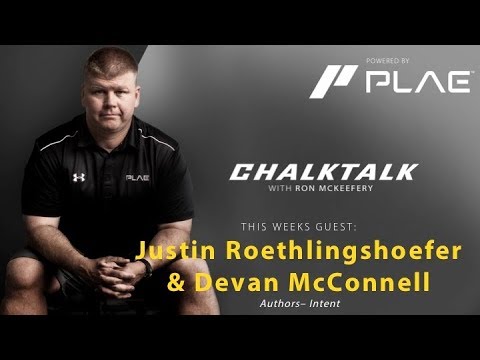
You can do this by regularly attending professional and social events. After Devan and I released Intent, we spoke at conferences and went on podcasts to connect with more and more people. Through this, I got to exchange knowledge with others in my field and learn about the latest industry developments.
A network of informed, interconnected contacts means broader access to new and valuable information.
By continually putting yourself out there and meeting new people, you're stepping outside your comfort zone and building invaluable social skills and self-confidence you can take with you anywhere. The more you network, the more you'll learn how to make lasting connections.
It's easy to get caught up in the day-to-day minutiae of your profession and end up in a rut. By talking to others in your field or people with expertise in a particular area, you can gain insights that only come from viewing a situation with fresh eyes. Asking for opinions from contacts you trust or admire can help you see things in a new light and overcome roadblocks that you might not have known how to negotiate around without help. As long as you have a strong network of professional connections, you can be confident someone within your sphere will be able to answer even your toughest questions. Even if there's no definitive answer, you'll have a solid sounding board to bounce ideas off of and put into action step-by-step plans to tackle more significant problems.
Finally, professional networking opens many doors in the form of career advice, lasting relationships, and even landing your dream role.
You never know who might be hiring for your ideal job or know someone who is.
The more people you have in your network, the more likely you are to be the first to know when those big opportunities present themselves. Be open to any opportunity to network if it's going to be beneficial for you, and you have something to add to the group. Think of life as a huge library in which you have the potential to network in any category.
You can pick the subjects that interest you, and you can begin an interaction with those in the network. Enjoy and relish the different networks in your life. You will find that you will often reap more rewards from your network than what you feel you put into it, but that is because you are enjoying the experience.
I hope you've recognized networks you are already interacting with on a regular basis. If you never really understood the network concept before, then you should be looking at it with different eyes now. I can't emphasize enough the need for one-on-one contact with members of your network. As you complete these exercises, there's a good chance you might find out you are part of a network already, and you didn't even know it.
Action & Reflection Questions
1. What emotion did you experience as we discussed networks?
2. What do you think makes up a good network?
3. List networks that you feel you are part of.
4. Now, go back to the last question and write out what you think you contribute to any group you're part of.
5. List any barriers that have prevented you from being part of a network.
6. What network or networks would you like to find that can help you with
specific issues you are having?
7. Who are the most dynamic people you have in any of your networks, and what have you learned from them?
8. Do you have networks you would like to find that aren't career-related?
9. Are your networks something you mark in your calendar and make them
part of your schedule?
10. Figure out two networks you want to contact in the next three days and make it happen.
