

Own Your Finances
High Performance Living Part Five: Own Your Finances
Read the previous pillars
Listen to Justin's latest podcast episode
Finances are one of those masks people can hide behind. You can live a life with the appearance of wealth, but behind the illusion, know it's causing you anxiety. While living and working around the pro sports world we see this all the time, especially with the disparity in the salaries between minor and major leagues.
Establishing my first business five years ago and my second one last year, I began to understand what it took to really get things off the ground. It's stressful, to say the least. I needed a plan, budget, and guidance. It took an investment of money, time, and resources to build a team that could help me pull all the various pieces of the Own It puzzle together. Finance always had to be one of the pillars, but I garnered sharp insight into the makeup of the pillar while launching my companies.
How You Look at Money Will Bear Down On How You Earn It, Spend It, Save It, and Value It.
All business owners and entrepreneurs want to make money. That's part of business. However, the concept of money and your relationship with it is crucial to understand. Why you're making money is as significant as how. Your motivation plays a vital role in how you conduct your business and your relationship with your family, partners, employees, customers, and friends.
I've been transparent that one of my motivating forces in life has been to empower and motivate people to find their true purpose and passion. I look at High Performance Living as my most dynamic opportunity to positively affect as many people as I can, either directly or indirectly. Conversely, if you're looking to make as much money as possible in a brief time period, this usually leads to taking shortcuts and possibly sabotaging your goals in the long term. Pay attention to your values and see how they measure up in your approach to finance.
If you have an unhealthy relationship with money, it will cost you. If you have cash flow that changes significantly from one month to another, you will find yourself doing things that you wouldn't normally do. Money's properties don't change whether you're looking at money from a business or personal perspective. It is a matter of juggling the short and long game of your finances to keep things balanced.
You Have to Become Comfortable Talking About and Managing Your Money.
You need to be open to learning more about money management and exercising a disciplined, financial mindset while you are executing any of your plans. If you can do this with humility while maintaining a giving attitude towards others, you will find yourself living with a sense of freedom and a quality lifestyle.
Why humility? For some people, “humility” does not seem to jive with conventional thinking concerning money. Those who are successful and have a healthy, balanced lifestyle do not treat their income as their number one priority. Those who concentrate on establishing a positive relationship with their partners and employees often enjoy financial success and personal satisfaction. The more people you help reach their dreams, the easier it is to reach yours.
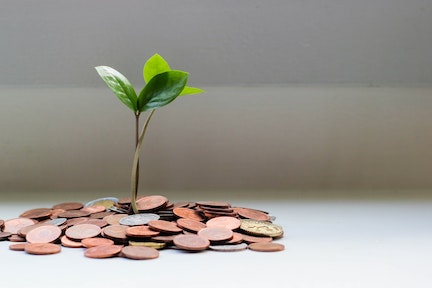
Ginger Dean in Forbes Magazine stated, “If you find yourself living paycheck to paycheck, then it's possible you've cultivated a scarcity mindset about money. At some point in your life, you may have experienced an event that now dictates your mindset concerning your finances. Consequentially, you now operate from that mental space leaving you with less than desirable results. You may find yourself afraid to spend money or spending most of your money the minute it hits your checking account. While there are certainly emotional components associated with this, most important of all, is the mindset you maintain around how you make and spend money. With a scarcity mindset, you'll find yourself always focusing on never having enough.
“An abundance mindset asserts that regardless of your financial pursuits, you will always have more than you need to meet your goals. Once you start embodying this mindset, then your financial life flows towards the energy you give it."
If You Focus On Making And Having More Than Enough Money, Then That Will Be Your Outcome.
Here are some thoughts to keep in mind as we continue with this pillar:
• It is okay to have money.
• It is okay to work for money with a humble mindset and a “ready to serve” attitude.
• It is okay to have the quality lifestyle you want.
• It is okay to have the freedom that money provides so that you become a giver and serve more people.
• It is okay to have money to make a difference in other people's lives.
• It is NOT okay to hoard money for personal use only or to use it as a source of power over others.
There are so many stressors associated with finance. Money isn't everything, but when it allows you to impact more people and accomplish more in your life, you realize the freedom money can give you. It gives you more flexibility in securing the health plan you want. It enables you to take the family on vacation. It has a definite impact on the “quality of life issues” like where you reside, the kind of house you have, what you do for fun.
There are many money gurus you can learn from. I believe the more you educate yourself on how your money can work for you and what you can do with it, the better prepared you are to talk to professionals who invest or manage money. I want to share one lesson that stuck with me from Gary Vaynerchuk, who said, “You are buying shit you don't need, with money you don't have, to impress people you don't care about.” For me, this is a warning to stay true to yourself when it comes to making, spending, and saving money. Going into debt over frivolous things is never a good idea, and if you think you need to use your money to impress others, it might be time to change who you hang around with or your attitude.
Now it is time to do some thinking about your financial situation. As always, be honest with your answers. If you're not proud of your current situation, so be it. The first step in changing your position is acknowledging you have a problem. If you are doing okay, but you want to make more money, it's fine to admit that too. If you can articulate why you want to make more money, what's the main driver and the plan to get there?
I remember reading at some point in my scholastic career, a book called Henderson the Rain King by Saul Bellow. Eugene Henderson is the central character who's driven by wanderlust through various adventures in Africa. He seems propelled by this inner voice that constantly cries out, “I want, I want, I want...” without ever identifying what he wants. The story reminds me of those who want to make more money without a purpose behind it. They're not looking at what they can do with the money to help others or to reinvest in the other pillars of High Performance Living. While it is great to have the freedom and means to give away money to aid the less fortunate, that isn't the only way to use it. You can use the money to help start another business to employ more people. You can give to an organization to support the work they do to help others.
There Are Many Ways to Use Your Finances Positively.
As you examine your finance pillar, do it in the context of all you would like to do in your life. Use your funds as a means to give you the freedom and the resources to achieve your heart's desires in agreement with your values. Keep those thoughts in mind as you go through these questions and exercises.
1. Give a concise analysis of your financial situation — ready cash, savings, and investments.
2. What emotion do you experience when you review your answer for question 1?
3. How much money do you need to accomplish what you want to do in life?
4. If you instantly had that much money, break down how you would spend it.
5. Is your spending list in line with your values?
6. Is your career in alignment with what you would like to earn to meet your goals?
7. What hinders you from getting close to your goals?
8. Do you consider your relationship with money healthy? Why or why not?
9. Is your relationship with money the same as when you began working? Has it evolved or deteriorated?
10. Write out what you want your relationship with money to be.
